
For a long time, many of us in Maine have carried a quiet belief that some things just don’t happen here.
We tell ourselves we’re different. That we’re tucked far enough away from Washington, D.C., and cable news hysteria. That our small towns, our sense of fairness, our Yankee stubbornness, our habit of looking out for one another somehow act as a shield. It’s comforting to believe that the worst excesses of government overreach will stop somewhere south of us — that Maine is safe, sheltered and immune.
But comfort can slip into complacency. And complacency creates a dangerous kind of cognitive dissonance: the belief that inaction, silence or even willingness to look the other way won’t eventually have consequences here at home.
As I am writing this, federal immigration enforcement — ICE — is operating in Maine and has detained more than 200 Maine residents. And whether you support strong immigration laws or not, what should concern all of us is how power is being exercised and whether the Constitution is still setting the rules.
Across the country, we are seeing federal agents operate without clear identification, communities left in the dark and local officials learning about enforcement actions from social media rather than from the agencies involved. We’re seeing families unsure of their rights, workers afraid to report crimes and local law enforcement put in impossible positions by uncoordinated federal actions.
And increasingly, Americans across the political spectrum are speaking out.
Bipartisan voices — including many Republicans — have raised serious concerns following the most recent shooting involving federal agents in Minnesota. The case has forced a national reckoning not only around due process and transparency but around the Second Amendment itself, after reports indicated the individual involved, Alex Pretti, was legally permitted to carry a firearm. When constitutional rights — whether it’s the right to bear arms, the right to due process or the right to be free from unreasonable seizure — are treated as conditional or disposable, that should set off alarms for all of us.
This is the point where we have to be clear: We can’t just believe in the Constitution when it is convenient to our own beliefs.
The First Amendment protects our right to speak, assemble and document what happens in our communities.
The Fourth Amendment protects us from unreasonable searches and seizures.
The Fifth Amendment guarantees due process — that no one is deprived of life or liberty without clear legal protections.
And the 10th Amendment draws an explicit line around federal power, reserving certain authority and sovereignty to states and to the people.
Our Constitution is the foundation of our system of government. When any agency — federal or otherwise — acts as though these protections are inconveniences rather than obligations, they aren’t enforcing the law. They’re actively eroding it.
The harm from that erosion shows up as fear, anger and confusion. It shows up when families feel they can no longer safely send their kids to school, when workers are afraid to call 911 in an emergency situation, when doors of homes are broken down without judicial warrants, and when trust between communities and institutions collapses. These are things that make everyone less safe and our country less secure.
Here in New England, we’ve seen this movie before.
Our region was built by people who understood the danger of unchecked authority. We come from a tradition that does not roll over for kings — whether they wear crowns, suits or uniforms. That tradition isn’t about violence or chaos. It’s about accountability. It’s about civil discourse. It’s about insisting that government powers answer to the people and that no one stands above the law.
Standing up for constitutional limits is not radical. It’s not inflammatory. And it is certainly not a call for disorder. It is the most basic civil responsibility of our American democracy.
That’s why Maine is taking steps to ensure transparency to protect our citizens. We may not have the authority over ICE that Congress has (and fails to exercise), but we do have other ways to protect ourselves from federal overreach. The Office of the Maine Attorney General has created a dedicated email address for Mainers to share information with their office for potential investigation. Citizens are urged to report intimidating and excessive federal enforcement behavior to CitizenReporting.OAG@maine.gov.
We can — and will — continue to debate policy: immigration policy, public safety policy and federal priorities. Those debates matter, but none of them justify lighting our constitutional protections on fire in the name of “expediency.”
The Constitution has endured not because it enforces itself, but because people insist on it — especially when it’s uncomfortable.
In Maine, that insistence is part of who we are. And it’s a line we should never allow anyone to cross.
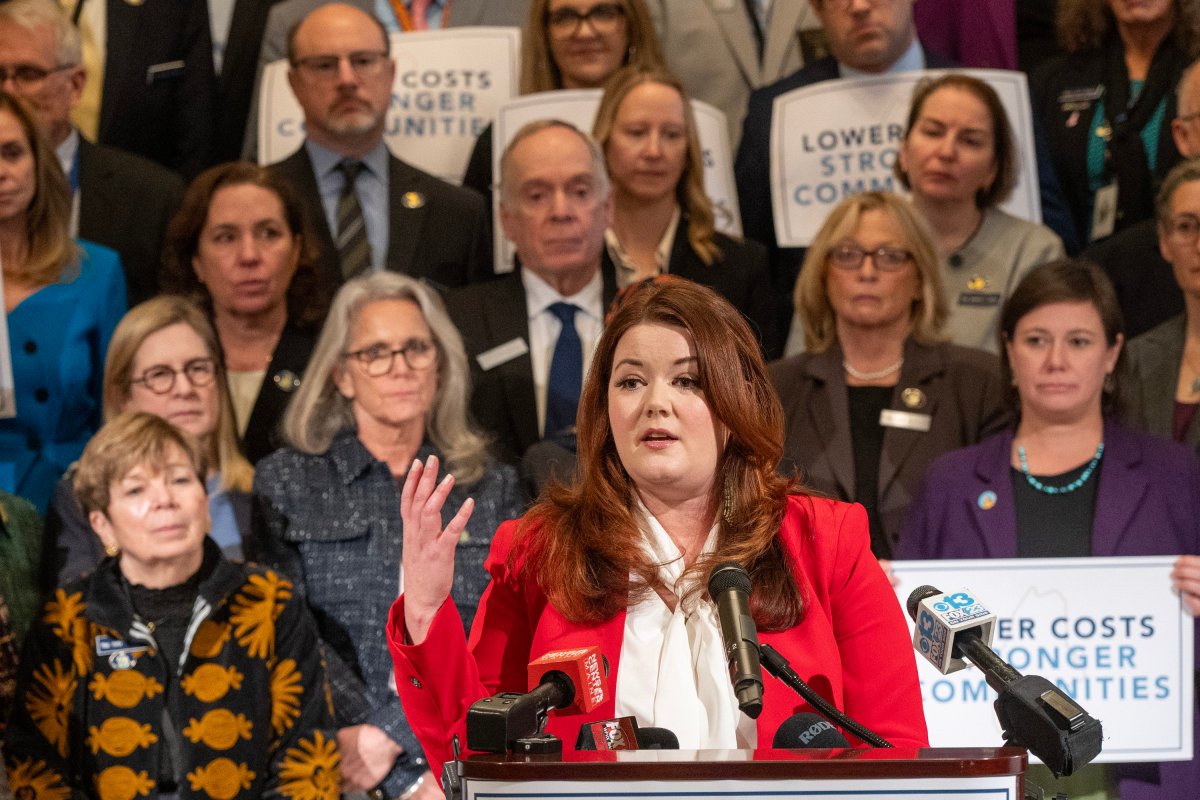
Mattie Daughtry represents state Senate District 23, Brunswick, Chebeague Island, Freeport, Harpswell, Pownal and part of Yarmouth in the Maine Senate. She also serves as Maine’s Senate president. She can be reached at Mattie.Daughtry@legislature.maine.gov or 207-287-1515.

The Times Record Sustaining Sponsor
We believe a community must be informed to thrive. bowdoin.edu
Comments are not available on this story. Read more about why we allow commenting on some stories and not on others.
We believe it's important to offer commenting on certain stories as a benefit to our readers. At its best, our comments sections can be a productive platform for readers to engage with our journalism, offer thoughts on coverage and issues, and drive conversation in a respectful, solutions-based way. It's a form of open discourse that can be useful to our community, public officials, journalists and others.
We do not enable comments on everything — exceptions include most crime stories, and coverage involving personal tragedy or sensitive issues that invite personal attacks instead of thoughtful discussion.
You can read more here about our commenting policy and terms of use. More information is also found on our FAQs.
Show less