
It’s no secret that books inspire some of Hollywood’s greatest hits. “Project Hail Mary,” “Wuthering Heights” and “The Odyssey” inspired some of the year’s biggest releases. With readers and moviegoers enjoying their favorite stories from page to screen and back again, it’s easy to read a novel cinematically. And sometimes it’s shocking when a book has not been adapted for film.
The Press Herald asked seven Maine writers, booksellers and editors about the books they think deserve dramatic adaptation.
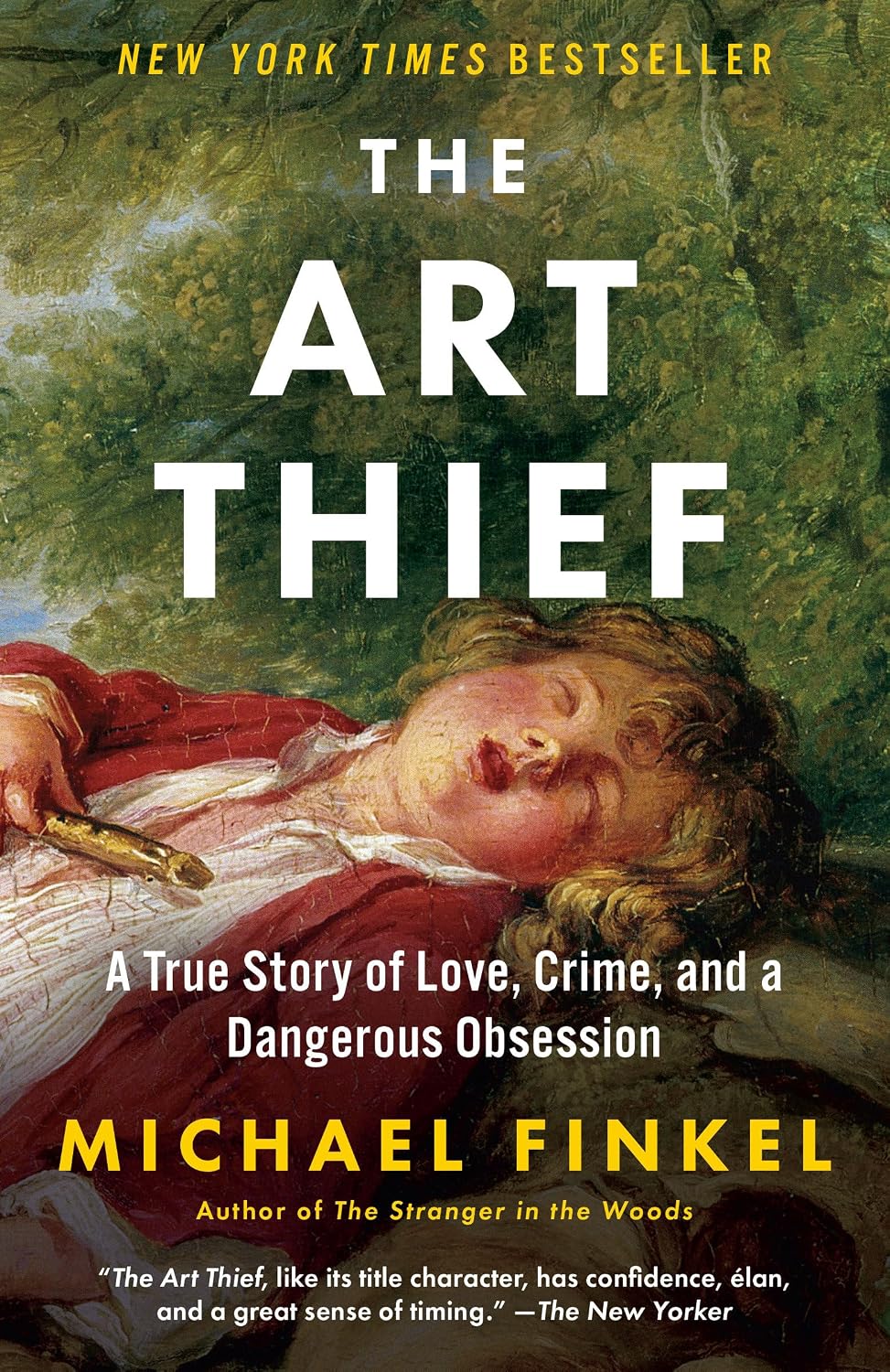
‘The Art Thief’ by Michael Finkel
“The Art Thief” is the heist film Hollywood needs. Michael Finkel’s nonfiction chronicle follows Stephane Breitwieser, who stole more than 300 masterpieces not for profit but out of obsessive devotion to beauty. His brazen museum raids, compulsive hoarding and the bizarre international manhunt that followed read like a psychological thriller built for the screen. The story offers rich visual tableaux, moral complexity and a protagonist who is as contemptible as he is mesmerizing. Why settle for invented capers when this stranger-than-fiction chronicle already possesses every ingredient of a gripping cinematic experience?
— Sambara Seidel, manager of Nonesuch Books
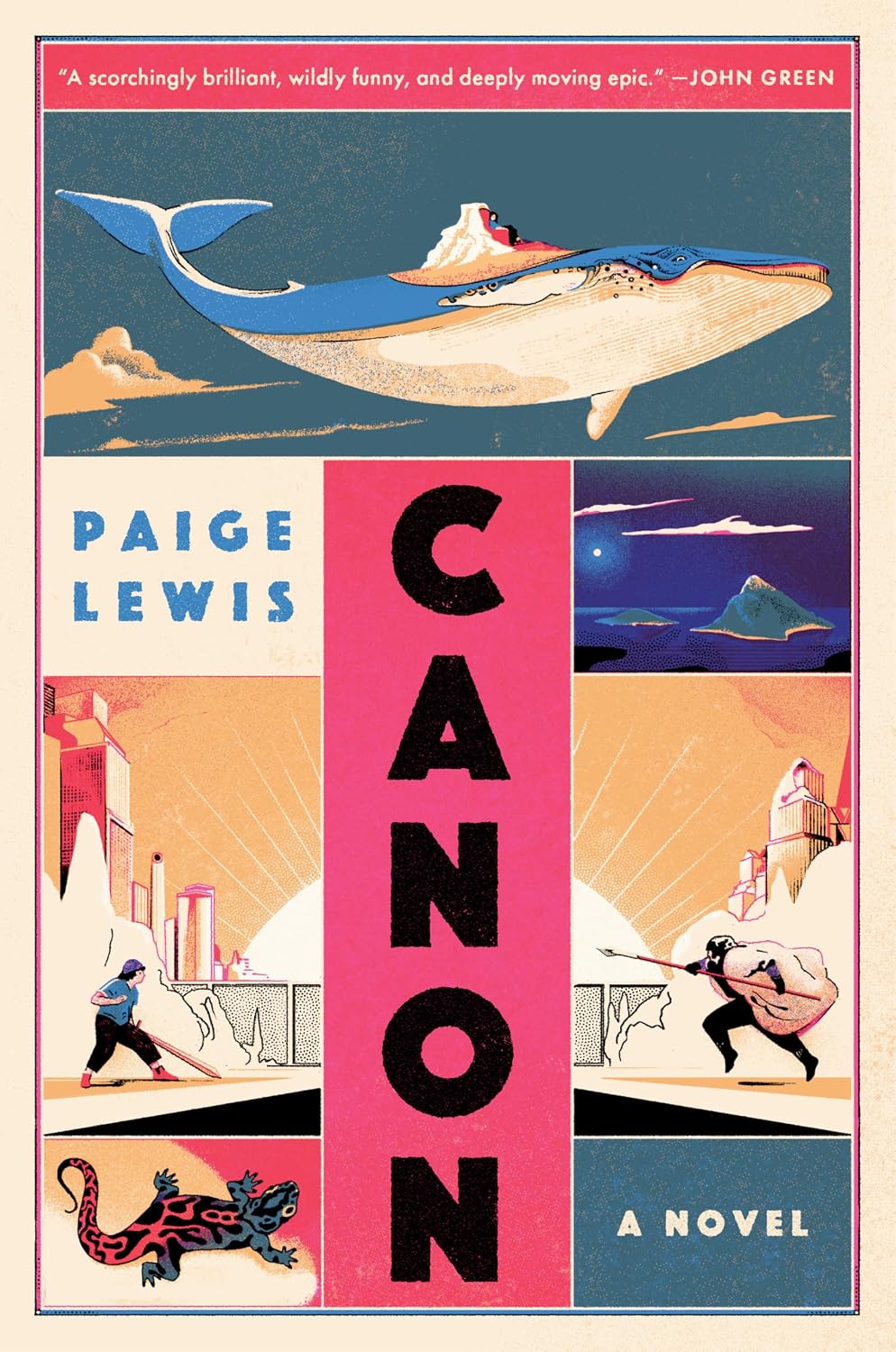
‘Canon’ by Paige Lewis
There are so many books, across genres, that I’d love to see as films or miniseries or even straight-up TV shows. But the novel I most need to see adapted for screen? “Canon” by Paige Lewis. A self-described “nonbinary epic,” the book follows two unlikely and deeply imperfect heroes as they embark on holy quests. There are talking whales and oysters, mysterious islands, a grab bag of saints and villains, magic powers and spells, meditations on mental health and queerness and a whole lot of regular human neurosis and anxiety. It is profound, weird, surprising, funny, beautiful and cinematically entertaining.
– Hannah Matthews, marketing coordinator, Back Cove Books
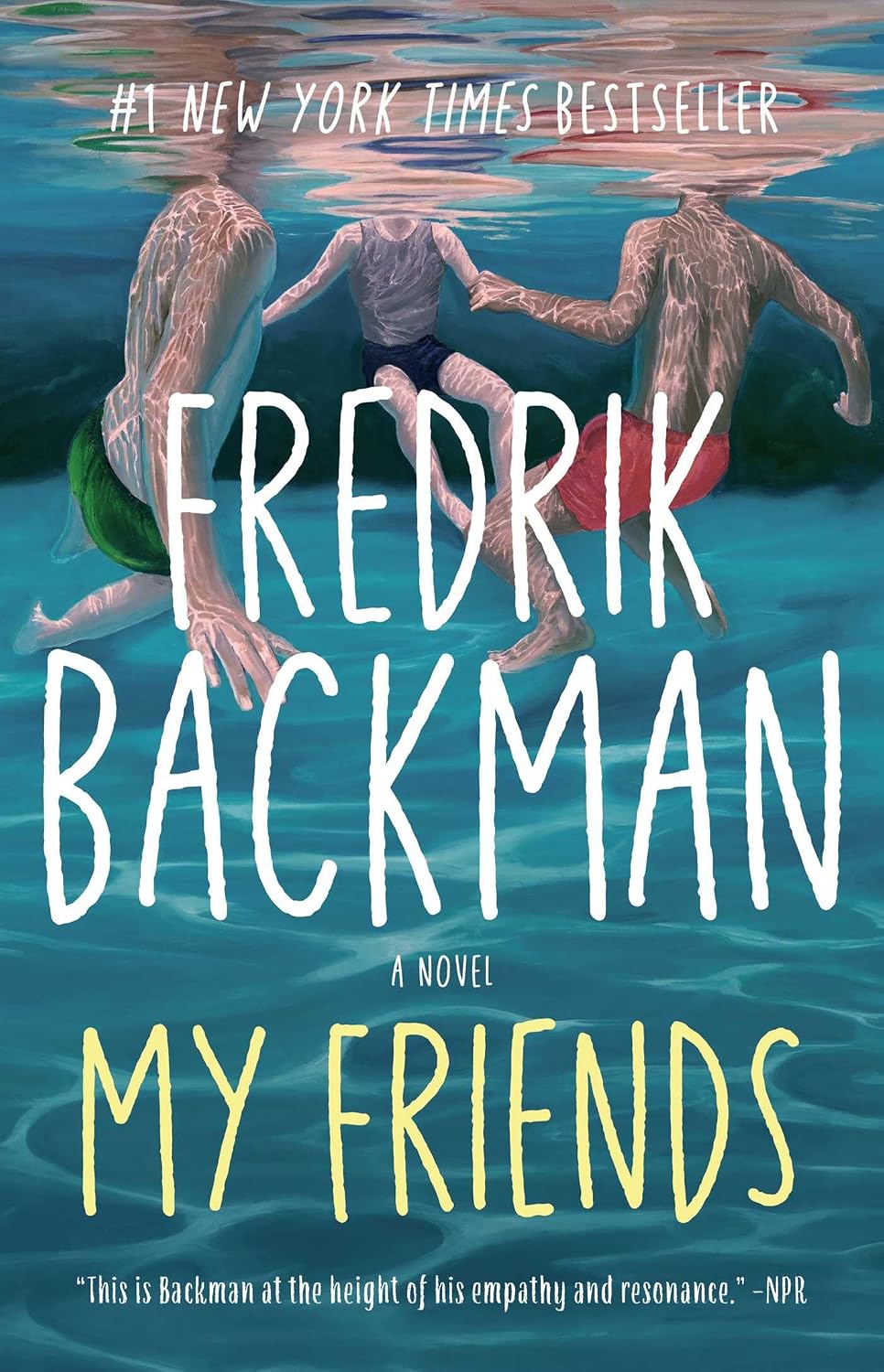
‘My Friends’ by Fredrick Backman
“My Friends” makes me nostalgic for a time I’ve never exactly lived. While the story itself is beautiful, it is Fredrik Backman’s writing that is the most compelling. This heartbreaking, hopeful, hilarious book follows teenage Louisa, an orphan, and her unlikely partnership with middle-aged Ted as they return a piece of art to its home. On their journey, Ted explains the story of growing up with his three best friends. Both Ted and Louisa must confront what it means to love and to be loved. Backman’s circuitous story reveals something fundamental about all humans: how we handle loneliness.
– Charlotte DiAdamo, Press Herald intern
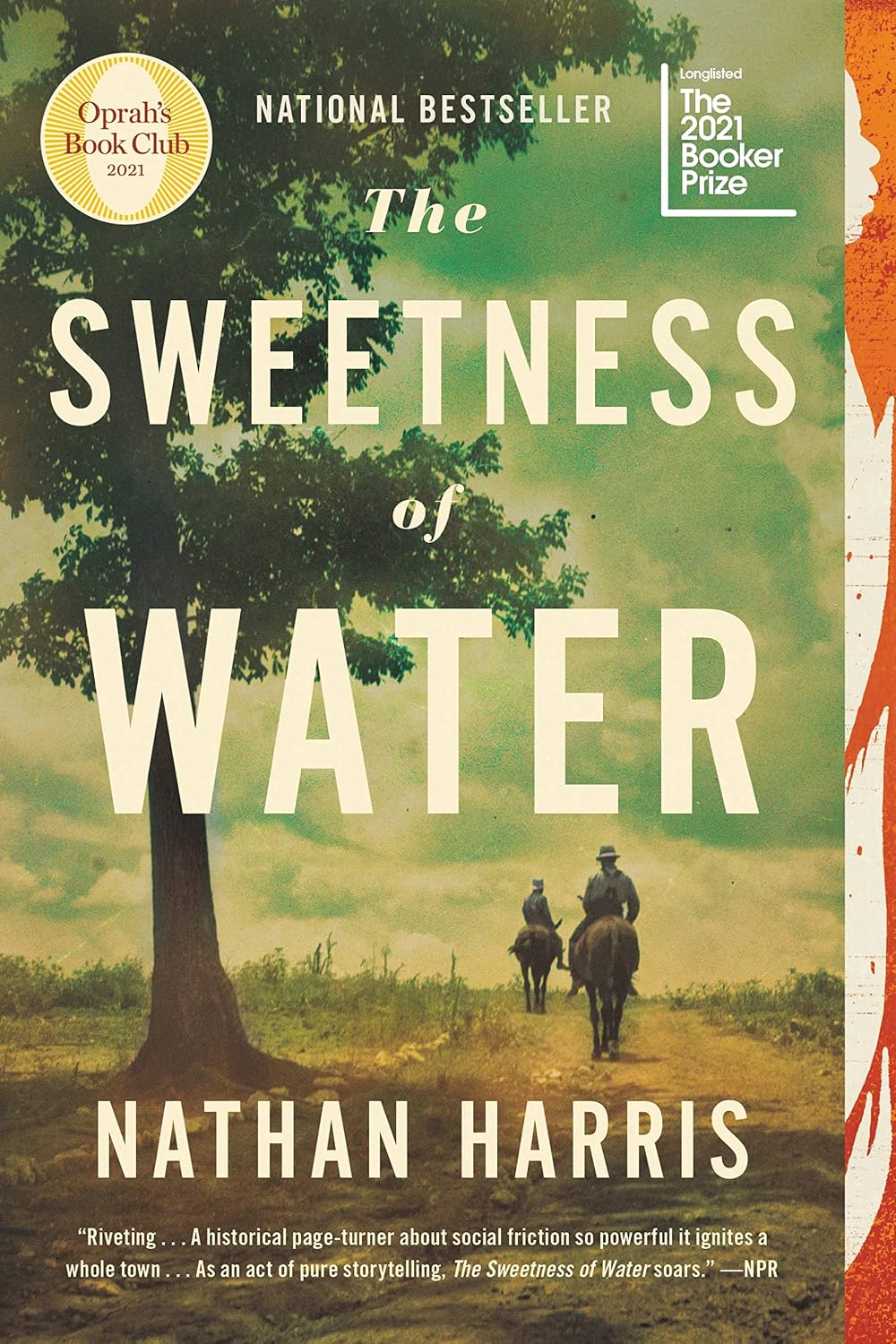
‘The Sweetness of Water’ by Nathan Harris
The Civil War just ended. Two brothers, former slaves, live in the woods behind a white couple’s Georgia farm. Their unfolding relationship and collaboration inflames the community. Every time I picked up Nathan Harris’s “The Sweetness of Water,” I felt transported into this world. It’s so vividly written. Add to that 19th-century phrasing, painful depictions of white supremacy and language so exquisite I wrote the author a fan letter. (He wrote me back! Swoon.) Short listed for the Booker Prize and selected by Oprah for her book club, this book feels like essential American reading.
– Melissa Pritchard, Maine Trust creative services director
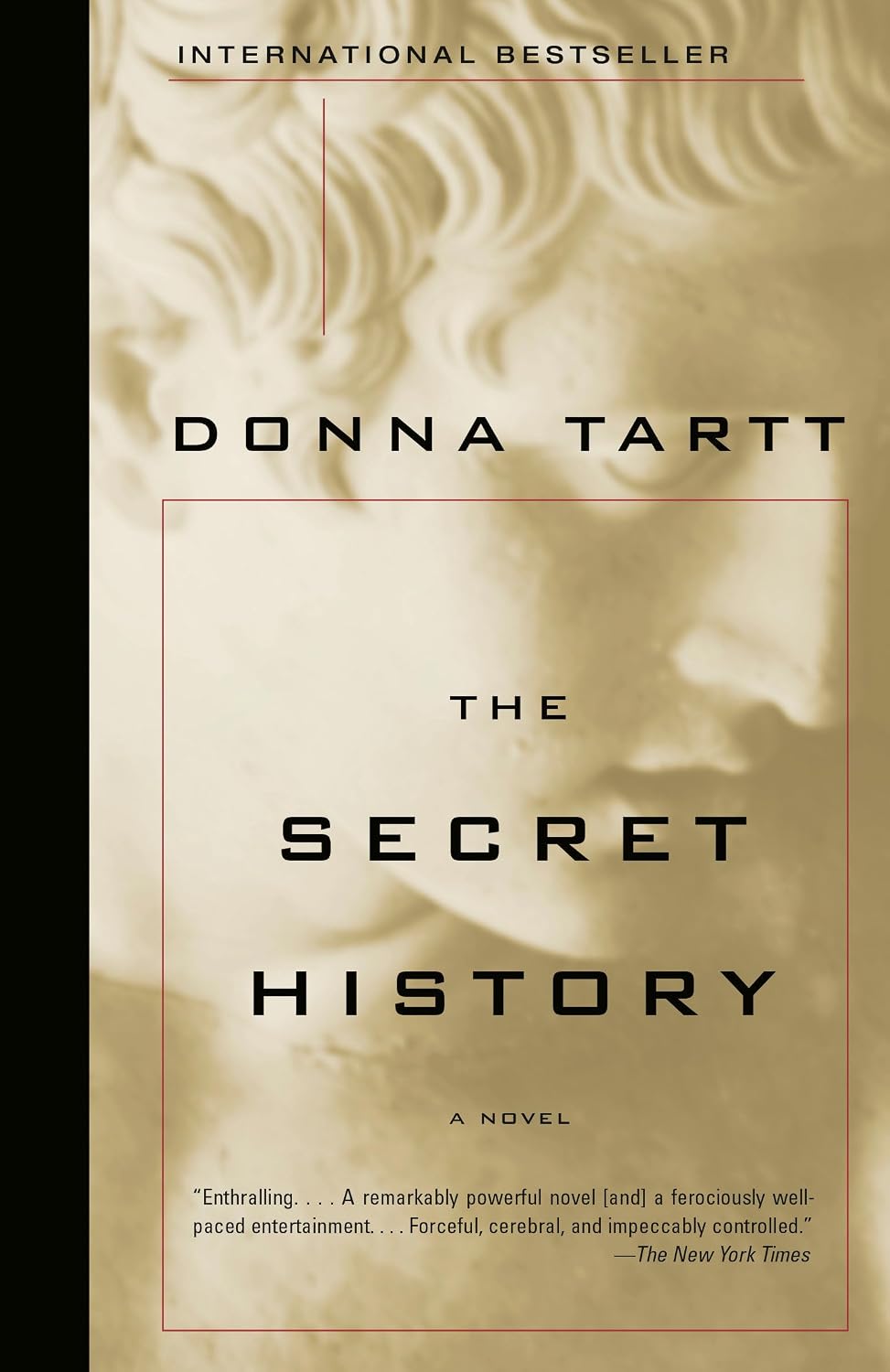
‘The Secret History’ by Donna Tartt
It’s incomprehensible that Donna Tartt’s debut novel, “The Secret History,” with its cinematic, twisty plot, hasn’t yet been made into a film. Fans have made a parlor game out of dream-casting this inverted unraveling of a detective story on a college campus (tell me Gwyneth Paltrow and Jude Law circa “Talented Mr. Ripley” wouldn’t have made the perfect Charles and Camilla Macaulay) but at least three attempts to adapt it for film have failed. It’s not the easiest story to boil down in two hours: A cult leader-like classics professor and the clique of preppy, sociopathic students who worship him and misbehave in particularly lurid fashion, but it’s time for another try.
– Katherine K. Lee, news and culture editor
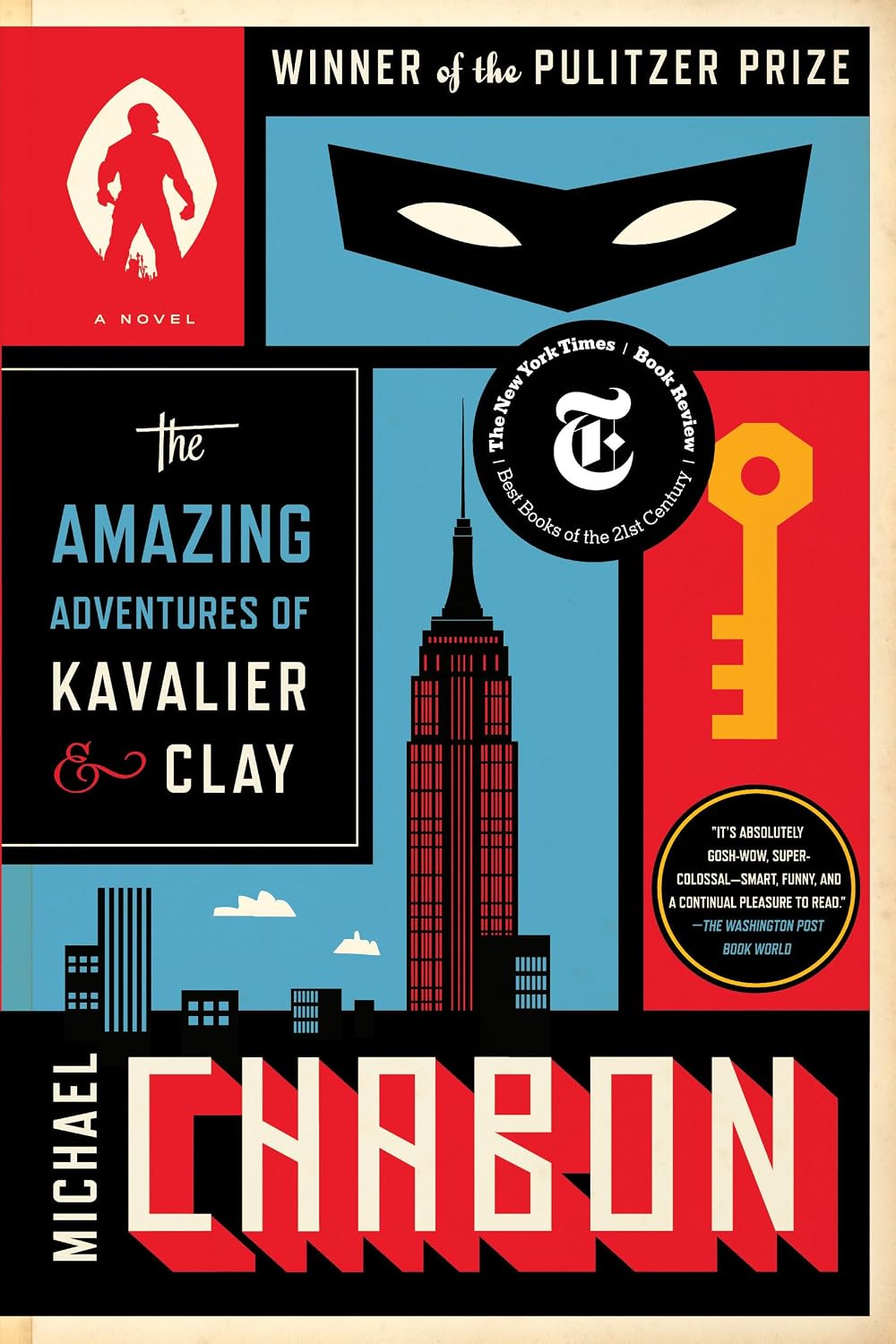
‘The Amazing Adventures of Kavalier and Clay’ by Michael Chabon
While Michael Chabon’s Pulitzer Prize winning novel, “The Amazing Adventures of Kavalier and Clay,” got the opera treatment last year, the expansive, earnest and bright story of two cousins who write a smash-hit superhero comic series during World War II is overdue for Hollywood. Joe Kavalier, a magician and escape artist, flees Nazi-occupied Prague and shows up on the doorstep of his American cousin, Sam Clay, in Brooklyn. As the nearly 700-page novel charts the duo’s ascension during the Golden Age of comic books, it also tells a gripping tale on immigration and family across time.
– Michael Colbert, books editor-at-large
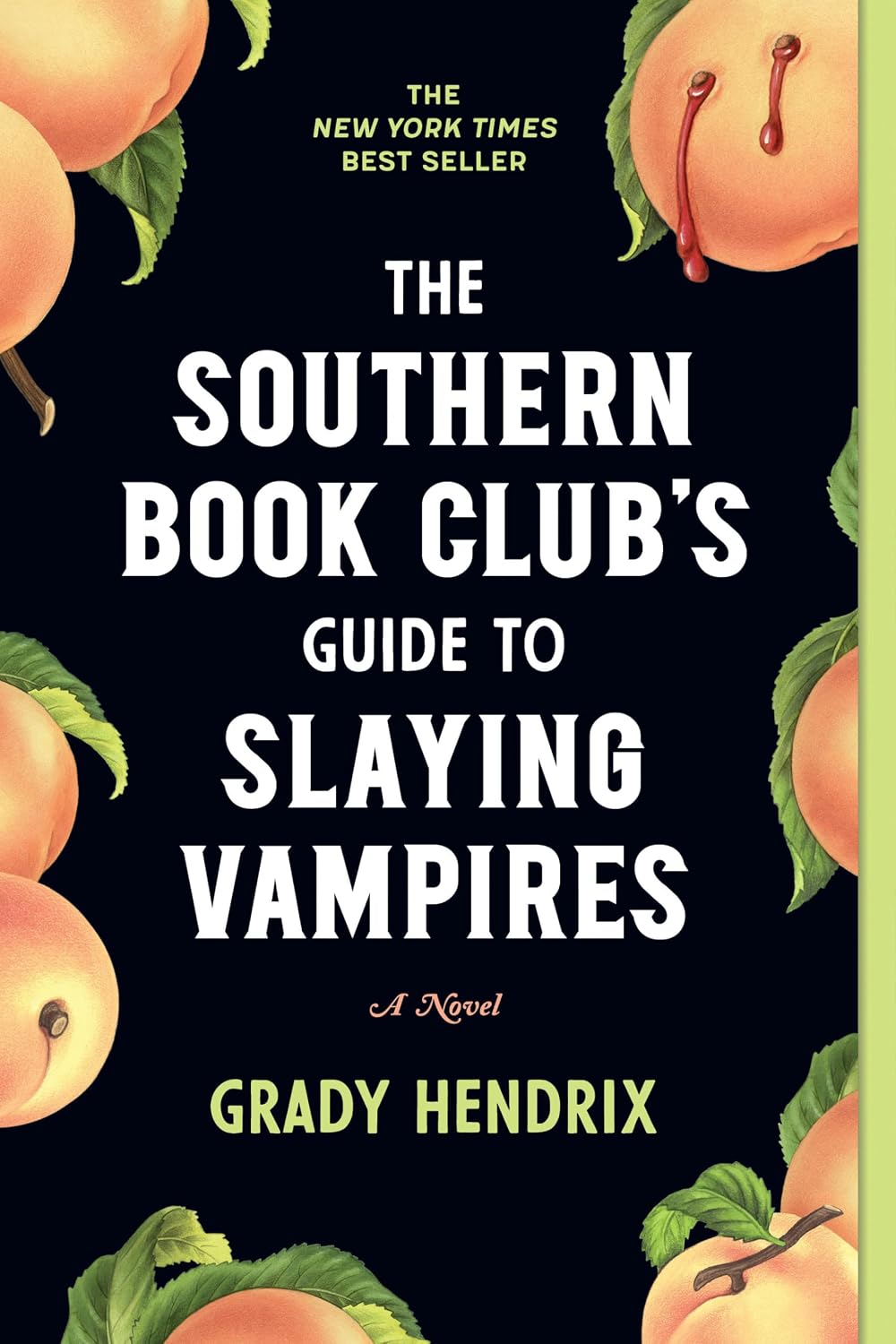
‘The Southern Book Club’s Guide to Slaying Vampires’ by Grady Hendrix
Set in Charleston during the 1990s, “The Southern Book Club’s Guide to Slaying Vampires” tells the story of Patricia Campbell and the true-crime obsessed women in her tight-knit book club. Patricia’s life is far from exciting. Her husband is too busy to pay attention, her children don’t listen and her ailing mother-in-law needs constant care. All of that changes when James Harris shows up. James is handsome, well-read, mysterious and quickly has Patricia’s friends wrapped around his finger. But there’s something strange and otherworldly about James that Patricia can’t quite place, and when local children begin to go missing she can’t help but feel that he might be involved.
– Rachael Conrad, MWPA membership and program coordinator
We invite you to add your comments. We encourage a thoughtful exchange of ideas and information on this website. By joining the conversation, you are agreeing to our commenting policy and terms of use. More information is found on our FAQs. You can update your screen name on the member's center.
Comments are managed by our staff during regular business hours Monday through Friday as well as limited hours on Saturday and Sunday. Comments held for moderation outside of those hours may take longer to approve.
Join the Conversation
Please sign into your Press Herald account to participate in conversations below. If you do not have an account, you can subscribe here. Questions? Please see our FAQs.