
More than 42% of Portland high school students are missing significant amounts of school, according to data presented to the school board Tuesday night.
External factors like immigration enforcement and ongoing issues like academic disengagement have driven a 4% rise in chronic absenteeism over last year, district leaders said. Portland has improved its overall rate by reducing absences at elementary and middle school levels.
Portland, the state’s largest and most diverse school district, has dealt with the same attendance headwinds as the state and nation. Following the COVID-19 pandemic, chronic absenteeism — defined as missing 10% or more of school days in a year (about 18) — doubled.
Tremain Holloway, the district’s new assistant superintendent of secondary schools, presented the data to the board this week.
The district has made significant gains at the elementary level, on its way to a goal of reducing chronic absenteeism to below pre-pandemic levels of 15% by 2027. This fall, overall chronic absenteeism is about 23%, but at the elementary level it’s just 11%, down 2% from last year and 8% from 2022.
The latest statewide absenteeism rate for all grades is 24.07%, although that data reflects the 2024-25 school year.
Portland primary schools have rolled out initiatives focused on rewarding those who show up, rather than punishing those who don’t. School leaders have also worked to make attendance fun, by offering small prizes and celebrations, and to reduce barriers to attendance, by providing resources like alarm clocks and in-school laundry machines.
But high school has always been more challenging, in Maine and beyond. Teens have more freedom and autonomy, transportation to school is more complicated, and they’re more likely to have responsibilities that distract them from school, like having a job or supporting their family.
Chronic absenteeism spiked last January, when U.S. Immigration and Customs Enforcement arrested hundreds during a surge in southern Maine, and echoes of that increase remained through the rest of the school year.
Holloway said all of those factors impact attendance, but the district also needs to look more closely at root internal causes, like academic disengagement and the school climate. The data shows current strategies aren’t working, Holloway said, and he will present a new comprehensive strategy around attendance support staff to the board by December.
Students who are economically disadvantaged, multilingual, homeless, Hispanic or Latino and have special needs are all overrepresented among the chronically absent. Those groups make up significant portions of the district’s enrollment: More than 50% are students of color and nearly 30% are multilingual learners.
Vice Chair Micky Bondo said she wasn’t surprised to see the high school numbers, especially among Hispanic or Latino students.
“I’m so glad at least we have recognized that the high schools really have a problem,” Bondo said. “The root and cause, I think that’s going to be something we need to be focused on to understand.”
Bondo asked for additional data, including the relationship between suspensions rates and race, and the racial diversity among the staff that work with students on attendance.
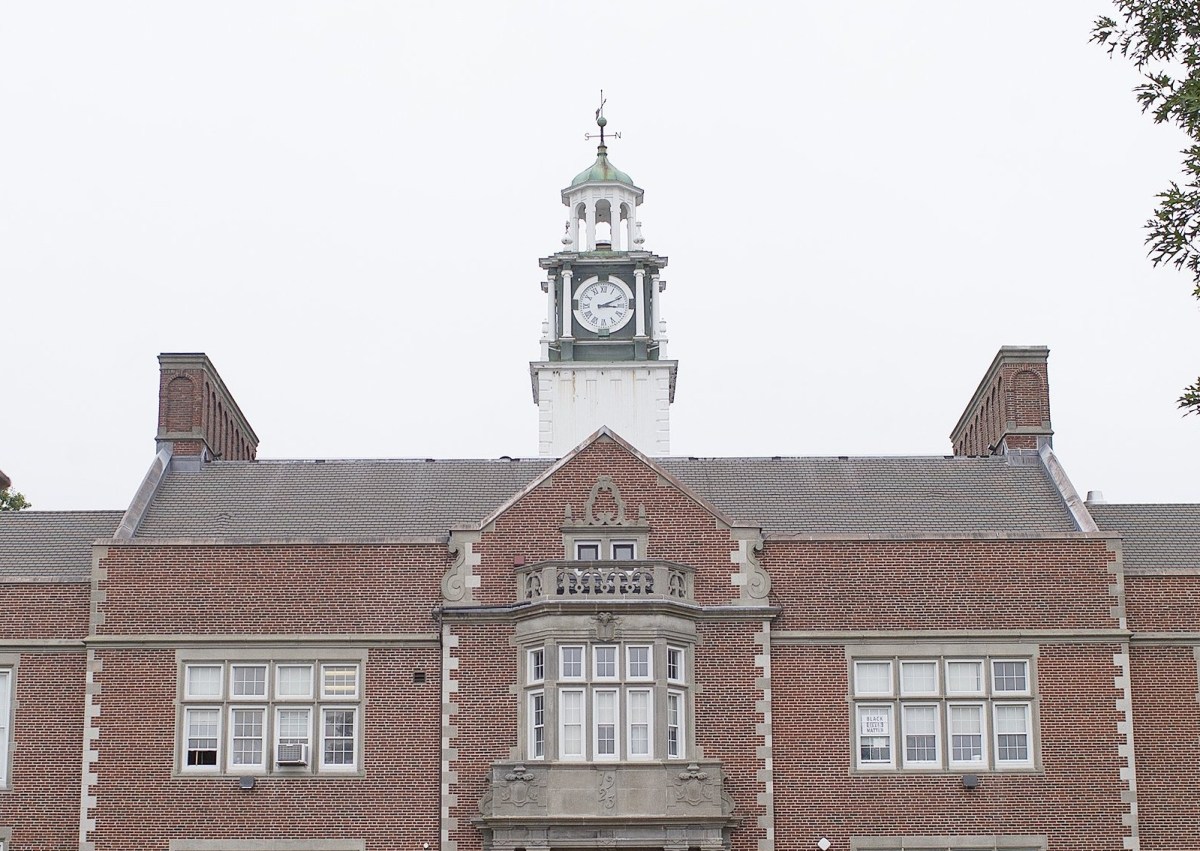
The district did not immediately respond to a request for data broken down by school. Portland has three high schools — Portland, Deering, and Casco Bay — and students choose which one they want to attend.
“For equity purposes, we really need to be focusing on these students, to ensure that they they have what they need to get to school, but also ensure that we’re making every effort that we can to provide them the supports that they need to stay in school, also, and be engaged in school,” Holloway said.
We invite you to add your comments. We encourage a thoughtful exchange of ideas and information on this website. By joining the conversation, you are agreeing to our commenting policy and terms of use. More information is found on our FAQs. You can update your screen name on the member's center.
Comments are managed by our staff during regular business hours Monday through Friday as well as limited hours on Saturday and Sunday. Comments held for moderation outside of those hours may take longer to approve.
Join the Conversation
Please sign into your Press Herald account to participate in conversations below. If you do not have an account, you can subscribe here. Questions? Please see our FAQs.