
There’s something magical about arriving at a lake house or mountain home. The pace slows down, the air feels a little fresher, and suddenly your biggest decision is whether to have coffee on the dock, the porch or the back deck with a view of the trees. The best homes in these settings embrace that feeling. They don’t compete with the landscape around them; they let it take center stage.
Avoid overdoing the theme
One of the biggest mistakes I see is trying too hard to make a home feel “lakey” or “mountainy.” Before you know it, every room has a canoe paddle on the wall, fish artwork, antlers, plaid and enough rustic detail to outfit a lodge gift shop. Instead of celebrating the setting, the decor starts to distract from it.
The real beauty is already outside your windows.
Borrow from nature, don’t copy it
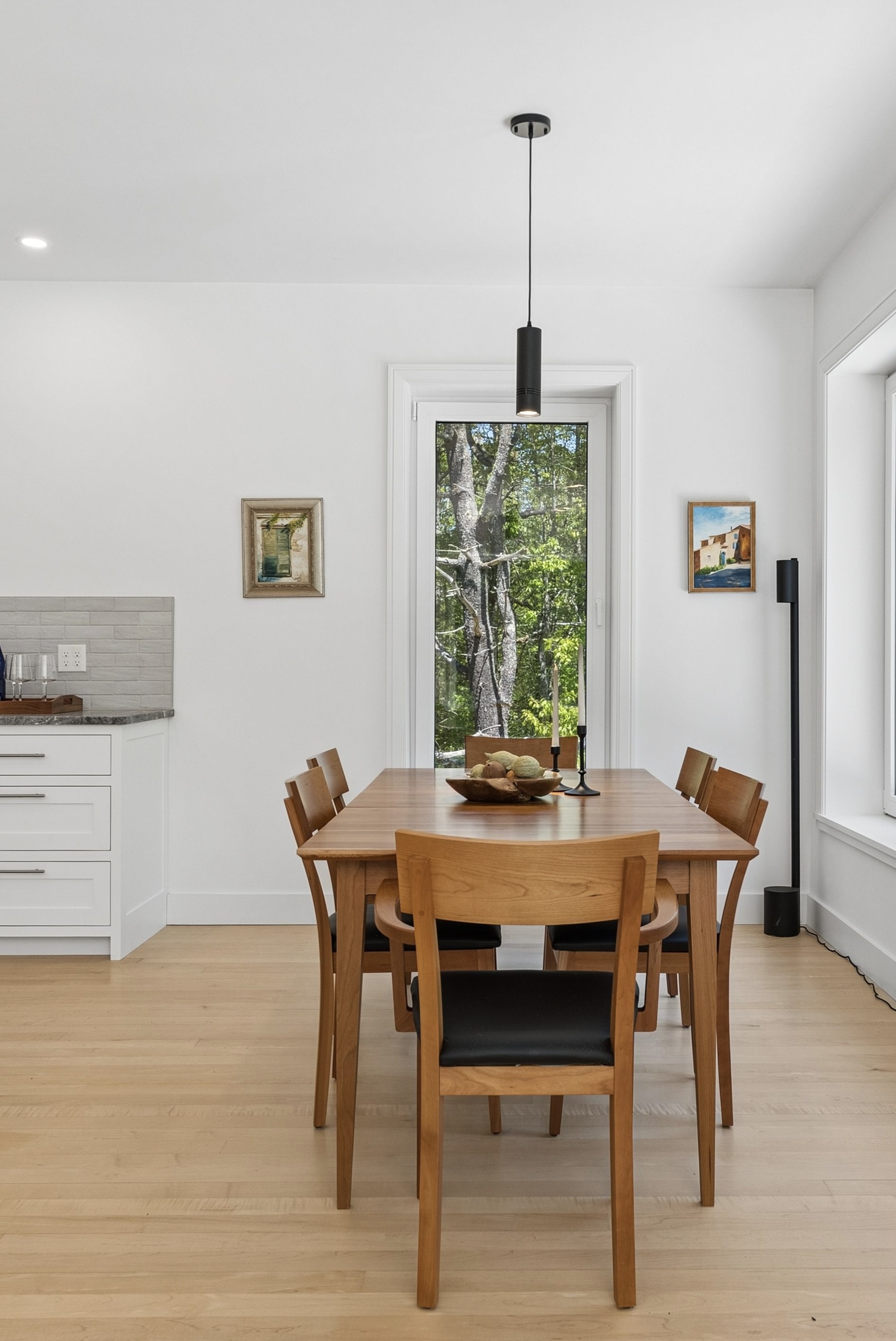
The most inviting lake houses and mountain homes take cues from their surroundings instead of copying them literally. Pull inspiration from the colors you see every day. Soft blues from the water, mossy greens from the pines, warm browns from weathered docks and tree bark, and sandy neutrals from the shoreline create a palette that feels timeless because it already exists in nature.
In the mountains, that same idea might translate into deeper forest greens, slate grays, warm stone tones and muted earth colors that echo the terrain. The goal is to create a home that feels connected to its setting without becoming overly themed.
Choose materials that age beautifully
Materials matter just as much as color. Natural wood, locally sourced stone, woven baskets, linen, wool, leather and aged metals all develop character over time. These finishes don’t need to look perfect. In fact, they often look even better after years of family dinners, wet dogs, muddy boots and kids running in from the lake or trail with sandy feet. A lake house or mountain home should feel lived in, not like everyone is afraid to set down a drink.
Make practical feel beautiful
That doesn’t mean sacrificing practicality. Performance fabrics have come a long way and are one of my favorite design secrets. They stand up to swimsuits, sunscreen, muddy paws, hiking gear and weekend guests without looking like outdoor furniture. Pair them with vintage wood pieces or antiques collected over time, and you create a home that feels layered instead of straight from a furniture showroom.
Add personality with pieces that tell a story
One of the easiest ways to make a lake house or mountain home feel special is through pieces that tell a story. A vintage canoe tucked into the rafters because it belonged to your grandfather? Perfect. A stack of old field guides, local pottery, handmade quilts or artwork from regional artists creates a stronger connection to the place than buying every item from the “lake decor” aisle. These are the details that make a home feel personal, collected and rooted in memory rather than trend.
Frame the view
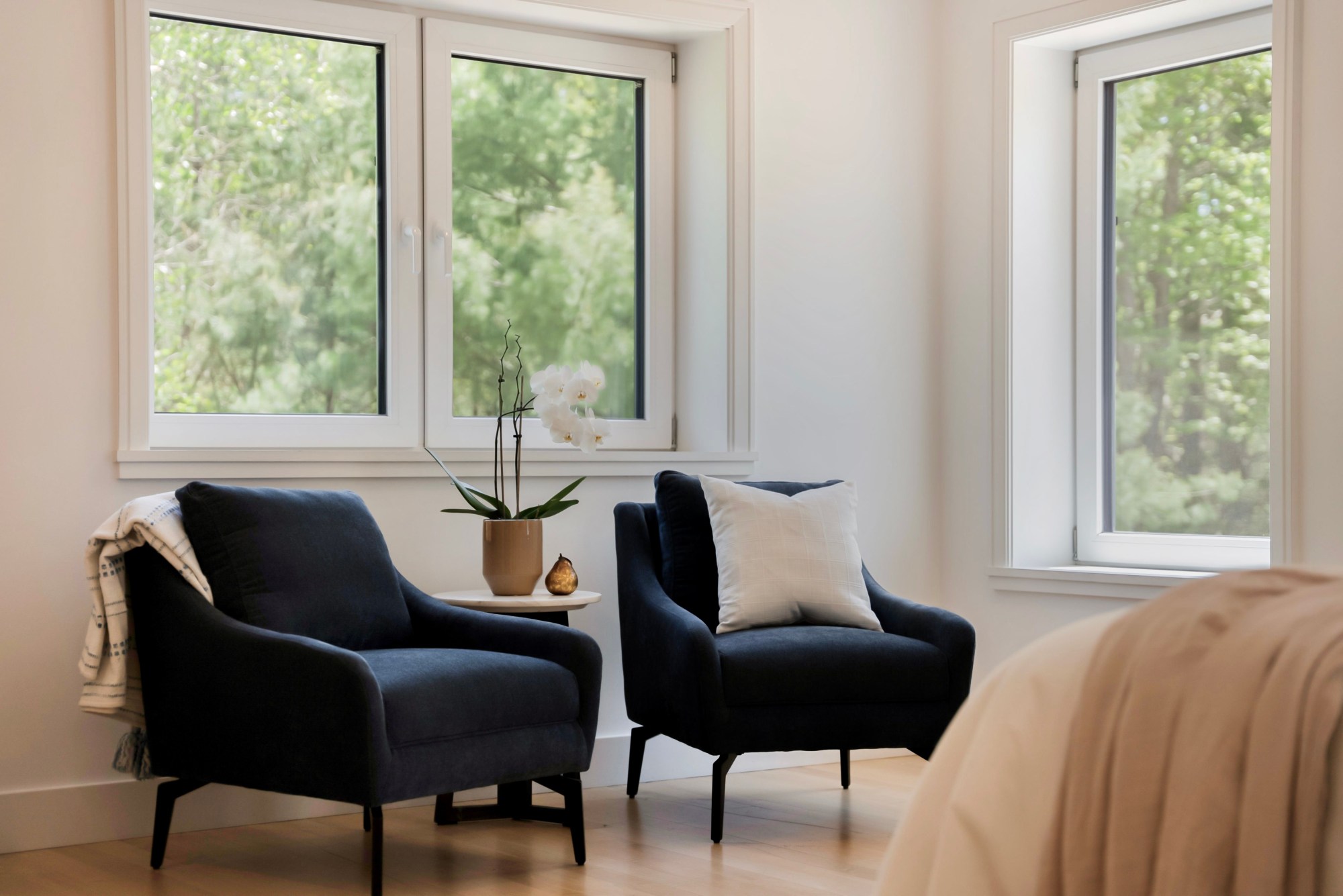
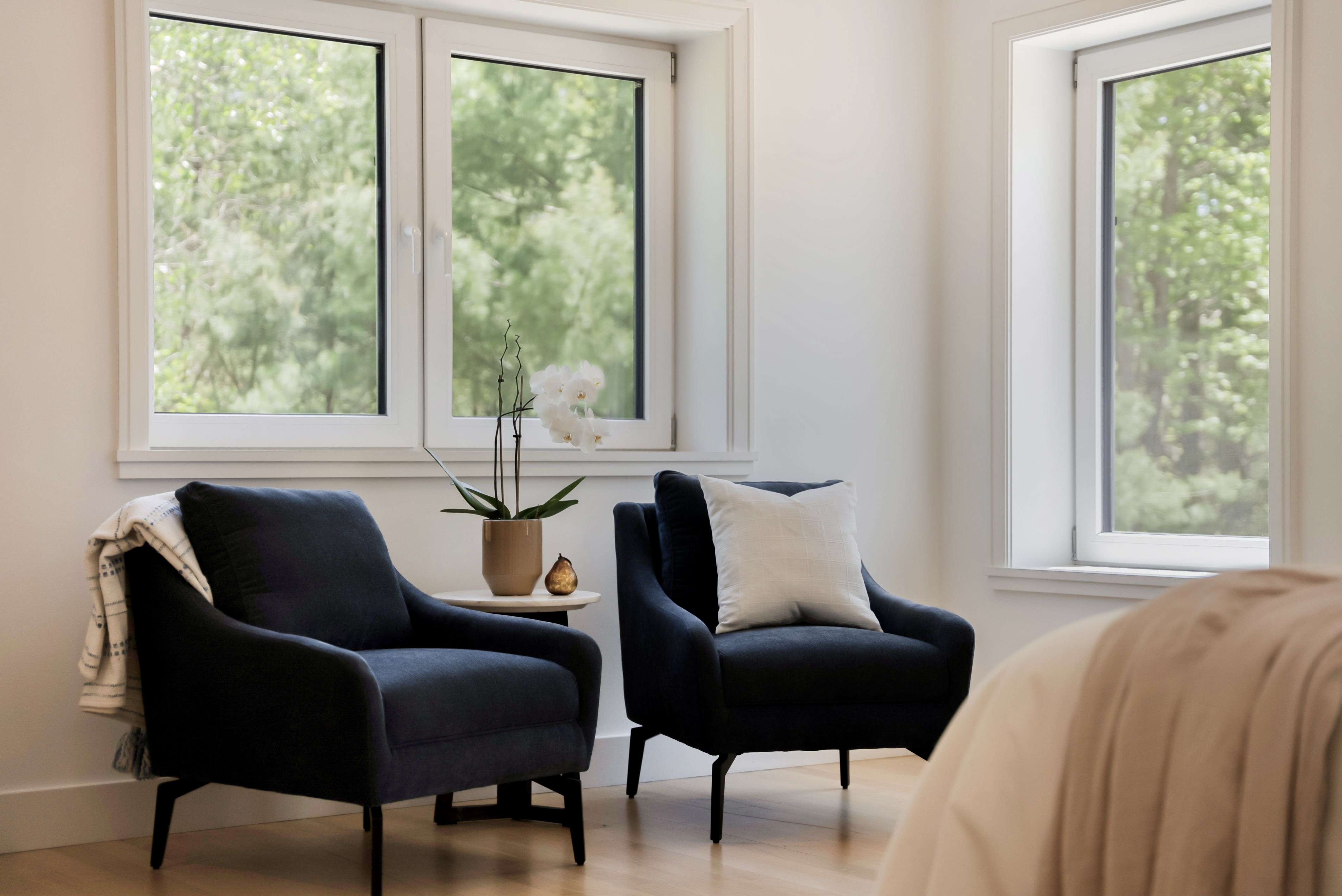
And perhaps the biggest design tip of all: Frame the view. Arrange your furniture toward the windows instead of the television. Keep window treatments light and airy so they don’t block the scenery. If you’re lucky enough to have a waterfront view or a sweeping mountain backdrop, let it become the artwork.
A home that belongs
The best lake houses and mountain homes don’t try to outshine their surroundings. They quietly complement them. When your home reflects the landscape instead of competing with it, every room feels calmer, more authentic and effortlessly beautiful.
That’s the kind of design that never goes out of style, with no canoe paddles required.

Hi, I am Jacqueline. I am the owner and lead designer at Spruced Interiors, focuses on transforming houses into highly desired homes for potential buyers. I have over eight years of experience in high end design and color consultations. Staging became a passion project of mine. I am excited to bring my knowledge from the custom design world into the Real Estate environment and help buyers imagine their future.

Comments are not available on this story. Read more about why we allow commenting on some stories and not on others.
We believe it's important to offer commenting on certain stories as a benefit to our readers. At its best, our comments sections can be a productive platform for readers to engage with our journalism, offer thoughts on coverage and issues, and drive conversation in a respectful, solutions-based way. It's a form of open discourse that can be useful to our community, public officials, journalists and others.
We do not enable comments on everything — exceptions include most crime stories, and coverage involving personal tragedy or sensitive issues that invite personal attacks instead of thoughtful discussion.
You can read more here about our commenting policy and terms of use. More information is also found on our FAQs.
Show less