



After two state-ordered quarantines in five months due to sick dogs, the Little Paws pet store, located at 456 Payne Road in Scarborough, has thrown in the towel.
Store manager Barbara Cross confirmed Friday that the shop will close as soon as it sells its current stock of 34 pups. A 25-percent-off sale includes everything except for pet food, even the dogs, which will be marked down until they sell.
“Any merchandise we have left over will be donated to the Animal Refuge League in Westbrook,” she said. “But we really hope to find good homes for all of our pups. We don’t want to send any of them to the shelter.”
For Cross, what began as a dream job a little more than a year ago has turned into a nightmare. She blames the advocacy group, Maine Citizens Against Puppy Mills, for her trouble. She says the two quarantines, triggered when dogs sold at her store became sick and tested positive for parvovirus, a highly infectious and potentially deadly canine disease, cost her a combined $28,000.
“My account is already negative again,” said Cross, who shared a voice mail that the founder of the anti-puppy mill group, Lynne Fracassi, left on July 23, in which Fracassi said of the latest suspected parvo case, “I hope this is the final nail that puts you out of business.”
Fracassi, of Naples, admitted Tuesday that closing the store, “was my goal.” She first tried to get Scarborough to ban the sale of dogs and kittens in town, visiting the town ordinance committee just three weeks after Cross’ business partner bought the store.
“No reputable breeder would ever sell to a pet store,” said Fracassi.
The anti-puppy mill group kept the pressure on by protesting at the store, which continued to get its dogs from out of state. Cross says she was at first grateful to Fracassi’s group for educating her about puppy mills, and teaching her which breeders to black-list, but it was never enough, she said. Ultimately, the protesters could not find any of Little Paws’ breeders palatable.
Things went from bad to worse, Cross says, when her sales were halted for nearly a month in February after a Siberian husky the store sold died of parvovirus. Then a dachshund pup died Jan. 19, two days after it was sold. Fracassi claims the dachshund also had parvo, although Cross has said the cause of death was uncertain. The pup was taken back by the store and destroyed without a state necropsy.
Tina Bark, of Westbrook, says Little Paws also tried to get her dog back, after it got sick.
“They asked us to take her out of the hospital and leave her with them to care for,” she said. “How can I trust them when they completely lied to us. When we first got her we were told that she came from a reputable breeder here in Maine. It was only after I went back and told a clerk we needed the breeder’s name for the vet that we were told she came from Missouri.”
Bark says the nine-week-old pup named Sophie, purchased July 22, began to throw up within four days of arriving at her new home.
Parvovirus takes three to 14 days to incubate before an animal has symptoms. Maine mandates a five-day quarantine period from the time a dog enters Maine before it can be sold. After the husky death in February, Cross said she intended to up that to 10 days at her store.
According to Bark, the vet she took her new pup to did not test for parvovirus, because she did not have diarrhea, a usual symptom. Prescribed anti-nausea medications, Sophie seemed to perk up at first. Then, the next day, came the diarrhea and a weekend trip to the emergency hospital.
“They say there’re no guarantees,” she said, at the time. “There are no antibiotics to kill this virus. It’s really all up to her immune system as to whether she’ll pull through or won’t.”
Sophie eventually did pull through, although Bark says she racked up more than $7,000 in veterinary bills for the dog’s care, Bark says she approached Little Paws for help, but says the store would only offer to refund half of the original $1,300 purchase price.
“I just want to get the word out about the continued problems at this store,” said Bark. “It’s clearly a continuing issue. At this point, I really feel like the place needs to be closed.”
Cross claims Bark’s dog tested positive for parvo only because it was tested within five days of being vaccinated. She tried to get the dog back, she said, only because she needs to have legal ownership of the animal to have it cared for at her own vet.
“It came in contact with a total of 11 dogs, of which none got sick. But it doesn’t matter. We’re the ones who have to suck up the loss of all that money.”
But now, Cross says it’s simply too much work to try and clear her name.
“I gave up my career to do something that I thought would be a fun business,” the former postal employee said. “I thought, I have a big heart, wouldn’t it be great to sell dogs and love up puppies all day? I figured making half the amount of money I was making was worth it if it was doing something I loved, but it got to be way more trauma that I ever fathomed. Then the protesters made a hard situation even more difficult.”
“My shell just isn’t thick enough, I guess,” said Cross.
Cross did say that although she is proceeding with plans to close the store, there is an outside shot it could be sold. A prospective buyer has come forward with plans to get dogs solely from All Sato Rescue, a nonprofit organization dedicated to finding American homes for abandoned dogs and puppies in Puerto Rico.
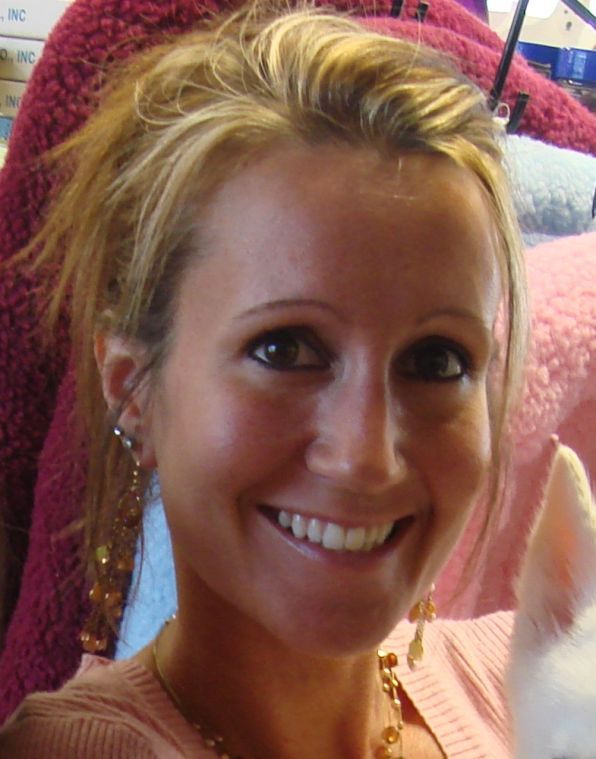 Barbara Cross
Send questions/comments to the editors.
