



When visiting journalists write about Portland, they gush over charming neighborhoods, interesting shops and restaurants and the bike lanes and footpaths that make it easy for people who want to get out of their cars.
They are also talking about a small part of the city – the peninsula.
Additional Photos
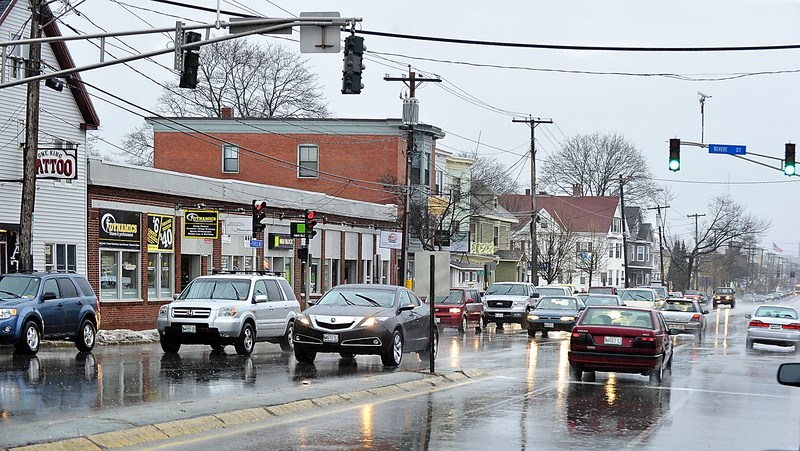
When you move to the other side of Back Cove, you also find attractive neighborhoods along with interesting and useful stores and eateries, but a long series of planning decisions made over the years has divided the western part of town with a series of highway-size arteries that make a car necessary, even for a short trip by neighborhood residents.
The city has a chance to change that with the adoption of the Forest Avenue master plan, the result of 10 years of work by planners, residents and businesses.
It envisions a street that continues to be a major access point for the city for supply trucks as well as commuters, while still reclaiming some street life for the residents, making it easier for pedestrians and cyclists to get around and giving businesses some more foot traffic.
There are sure to be controversial elements of the plan. An idea to improve traffic flow around Morrill’s Corner would remove some street parking spaces, an unfair disadvantage to some long-established local businesses.
But the main idea is still sound: Portland doesn’t have to choose between livable neighborhoods and moving necessary traffic in and out of the city. Careful design and disciplined implementation can provide both.
A model could be Stevens Avenue, which runs through the heart of Deering Center, a neighborhood that often is missed by out-of-town journalists but nevertheless is home to a vibrant mix of uses with stores, schools and a bustling public library close to tree-lined residential streets. Stevens is also an important cross-town artery that moves through traffic between Washington Avenue and outer Congress Street at acceptable speeds.
Portland is not just the peninsula, and residents in all neighborhoods deserve the kind of lifestyle that has made the city famous. The Forest Avenue master plan is a good start toward that goal.
Send questions/comments to the editors.
