



In the month of August alone, Standish Animal Control Officer Jack Frietas responded to three separate calls of suspicious behavior by possibly rabid animals.
All three animals were caught, euthanized and tested for rabies. Tests showed positive results for rabies in two foxes and one domestic cat. A human, who was bitten by the cat, is currently being treated for rabies exposure.
Rabies is a viral disease of the central nervous system (brain and spinal cord) that is almost always fatal. Once suspected of having rabies, a wild animal is euthanized and brain tissue is tested for the disease. If a domestic animal is suspected of having rabies or of coming in contact with a rabid animal, they are quarantined.
A quarantine can be as short as 10 days or as long as 45 days depending on the animal and situation.
“We do not just euthanize an asymptomatic domestic animal,” said Freitas. “They can be quarantined at their home for a period of time. It is only when the animal shows signs of having the disease that they are euthanized.”
Rabid animals usually behave abnormally. Rabid animals can vary in behavior. Some act fearful, others become aggressive, and some stumble as though drunk or hurt. To be safe, contact with all wild animals should be avoided, Frietas said.
“I like to follow a simple rule; if it’s not yours don’t touch it,” said Freitas referring to how children and adults should act when they see a wild animal. It also applies to domestic animals that the person is not familiar with.
“You should never touch an animal you don’t know,” said Freitas. “It just isn’t safe.”
Although rabies is common in wildlife, it rarely affects domestic pets thanks largely to vaccinations.
Rabies vaccinations should be administered once a year, by a veterinarian or animal health care professional, and cost about $15 per shot. For those who can not afford the shot, or do not have a veterinarian, Standish offers rabies clinics twice a year and charges only $8 per pet.
“There really is no excuse not to get your pet vaccinated,” said Freitas who has a hard time understanding why pet owners would not get their pets vaccinated.
“If you took your baby to the doctor and they said they could give them a shot to prevent cancer, would they do it?” Asked Frietas. “Of course they would, so why wouldn’t they do it for their pet?”
The next Standish rabies clinic will be held in October. For more information visit www.standish.org.
What to do if exposed to rabies?
If you have been bitten or scratched by a wild animal, or by a pet or farm animal that has been behaving oddly, follow these steps:
1. Wild animals must be captured or killed without injuring the brain since the brain tissue must be tested.
2. Immediately wash the wound with soap and water, and continue washing for at least 10 minutes.
3. Call your doctor or health care professional when you finish washing. They will help you decide if you need to be treated for rabies. Follow their instructions completely.
4. Contact your town’s Animal Control Officer. The town office or selectman or your local law enforcement agency can tell you how to contact him or her. The ACO or police officer will need your help in locating the animal that has bitten or scratched you. If the suspected domestic animal is located and captured, it will be quarantined and observed (dog or cat) for 10 days, or it will be euthanized and sent to the state laboratory in Augusta for testing.
If your pet has been bitten or scratched by an animal that you think might be rabid, follow the same steps and notify your veterinarian.
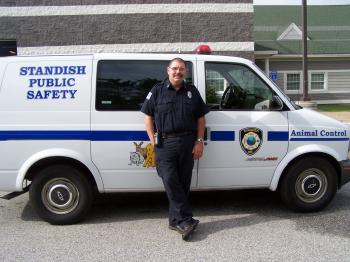 Standish Animal Control Officer Jack Frietas said rabies cases in Standish are on the rise and owners should make sure their animals are innoculated against the deadly disease.
Send questions/comments to the editors.
